
Buying Salvage Vans and Light Commercials: What's Different
Salvage vans and light commercials behave differently from cars at auction — often in the buyer's favour. Here is what changes.
Values hold up better
Work vehicles are bought on function, not fashion. A transit-class van with salvage history still does the job, so the value drop for a Cat S marker is often smaller than on a car. Tradespeople need vans and will buy a good repaired one at a discount all day long — that is your resale market.
Damage patterns differ
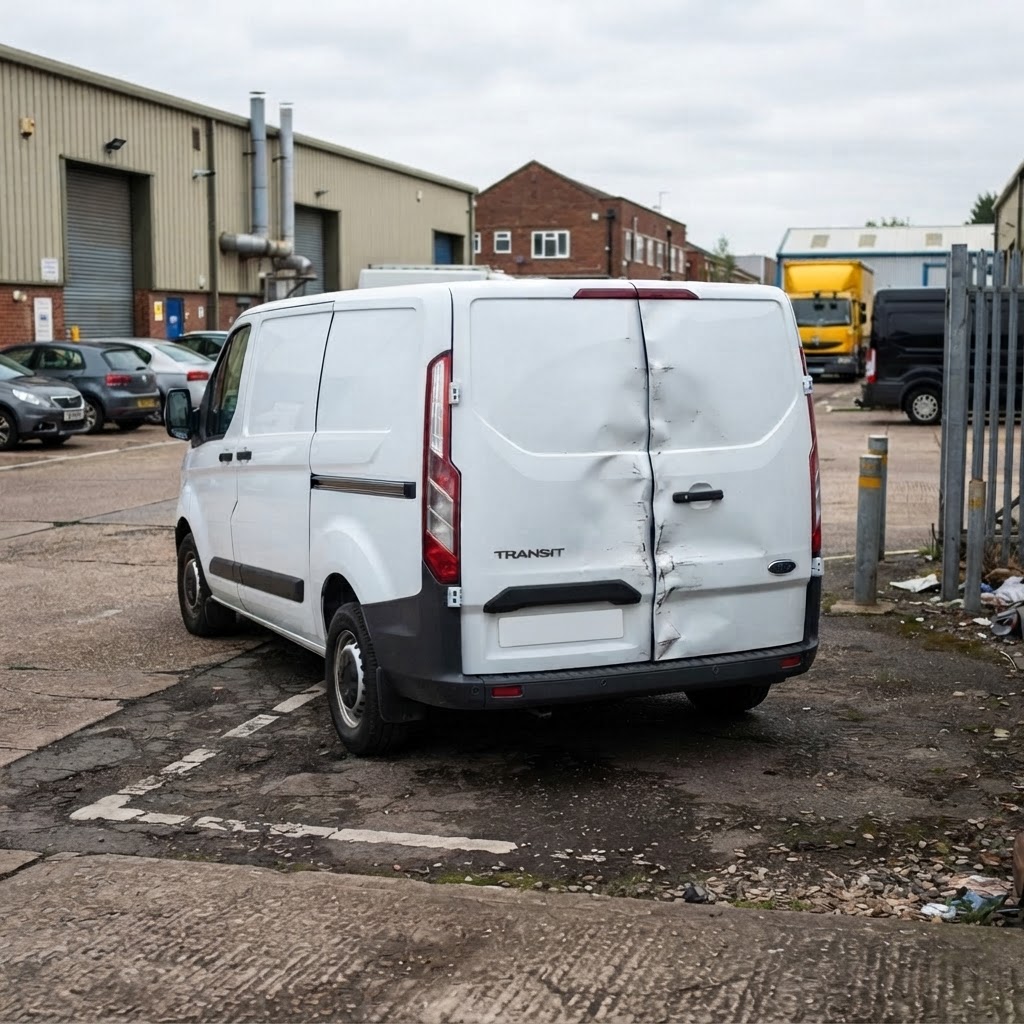
Van damage is frequently to the rear (loading incidents, reversing collisions) which can mean body-only repairs, or to the side from narrow-road scrapes. Panels on popular vans are available and relatively cheap, and many repairs are bolt-on. Watch for: load floor damage, rear door pillars, and anything structural around the bulkhead.
Check the working parts
Mileage on commercials is typically high and that is normal — but inspect what the work has done: suspension, brakes, seats and the load area. A panel van used hard for a decade hides wear a private car never would. Plant, racking and previous signage holes all affect how quickly you can turn it around.
The paperwork angle
V5C, MOT and history checks matter exactly as with cars, plus one extra: check the vehicle has not been operating under a trade plate arrangement or as a temporary import. And when you resell, a clean, honest ad about the history sells far faster than pretending the marker is not there.
Related Articles

Pricing Repairs: The Rule That Tells You When a Salvage Car Is Worth Fixing
A simple, honest framework for working out repair budgets — and the 70 percent rule that stops you bidding on the wrong cars.
6 min read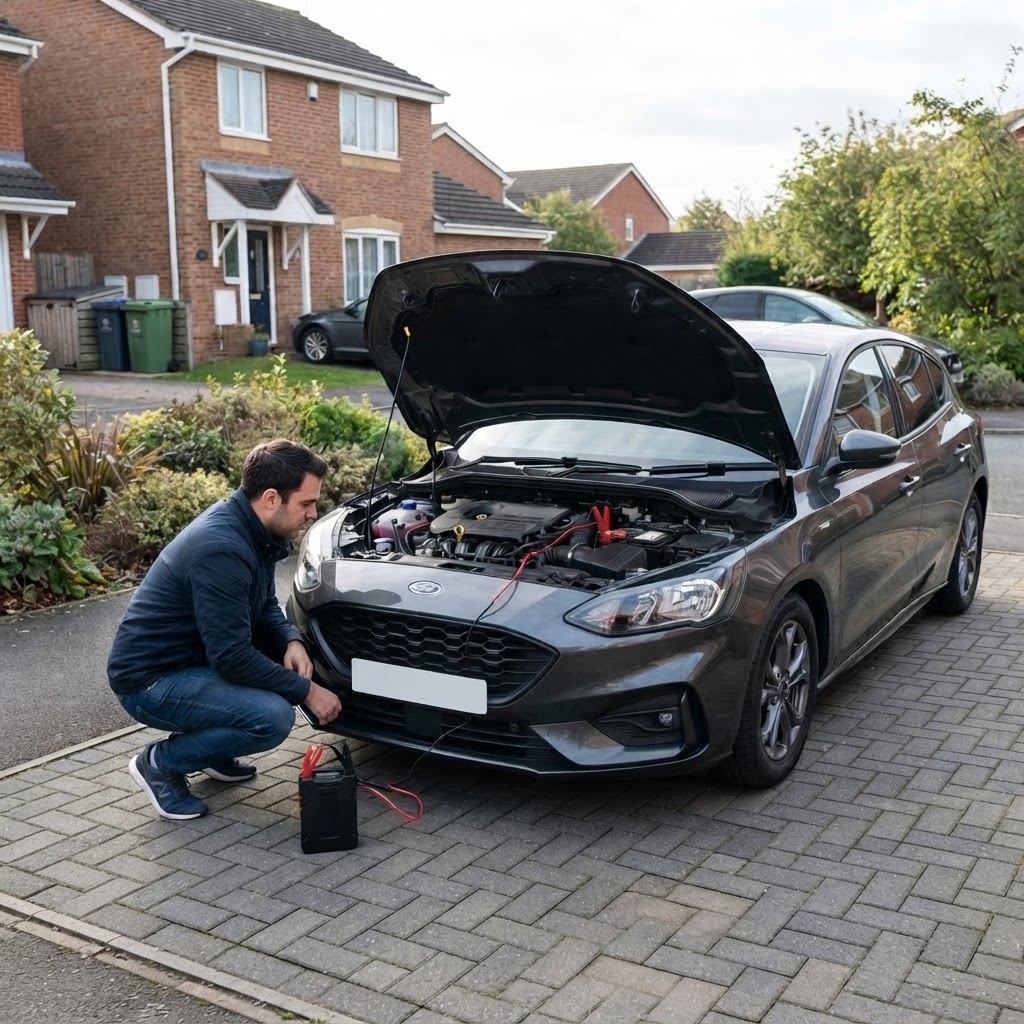
Why Most Non-Runner Cars Are Easier to Fix Than You Think
Flat batteries, starter motors and sensors are behind most non-runners — and they are among the cheapest fixes in the trade.
6 min read
Insuring a Cat S Vehicle: What Insurers Will and Won't Do
Some insurers say yes, some say no, and the quotes vary wildly. How to find cover for a repaired write-off without overpaying.
5 min read