Why Most Non-Runner Cars Are Easier to Fix Than You Think
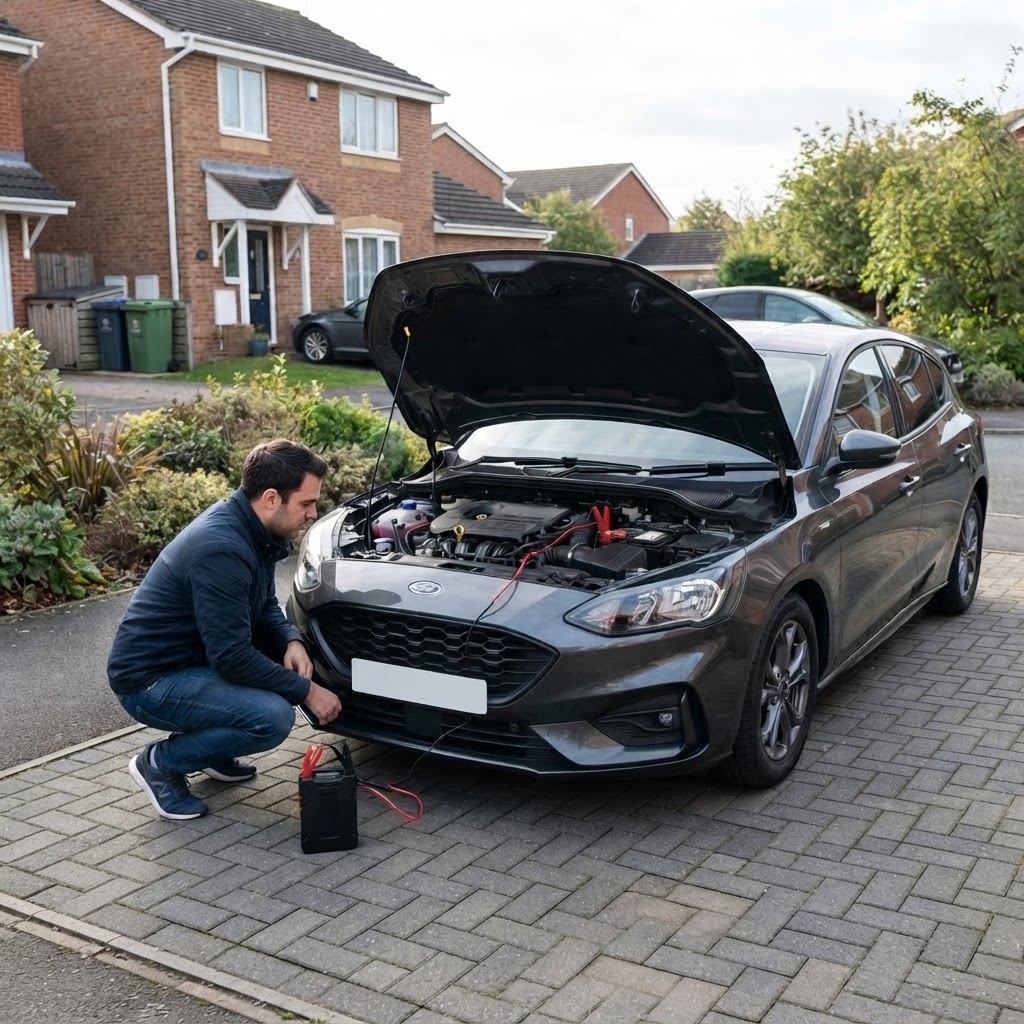
A "non-runner" sounds dramatic, but the reality is reassuring: most cars that will not start stopped for simple, well-understood reasons. That is exactly why non-runners are such good value at auction — the seller prices in the unknown, and the fix is often a fraction of what buyers fear.
The simple fixes
Flat or worn-out batteries, failed starter motors, alternators and wheel sensors are the most common culprits, and all are quick, routine jobs. Parts are inexpensive and widely available, labour is minimal, and the car is back on the road the same day. These are the classic auction wins: a car priced as a mystery that turns out to need a battery.
Cambelts are rarely the catastrophe they sound like
A failed cambelt (timing belt) looks alarming on a listing, but on many engines a new belt and tensioner — often a few hours' work — restores the car fully, and on non-interference designs the engine itself is untouched. Check the engine specification in the listing and price a belt job: it is usually far more affordable than the "non-runner" label suggests.
Routine trade jobs, trade prices
Clutches, EGR and DPF issues on diesels, and injector problems are all everyday work for any workshop. At retail rates a clutch and flywheel job might run £800-£1,500 — but you are not paying retail. Trade parts accounts and trade labour rates cut those figures dramatically, and when the car was bought well under market value, the numbers comfortably leave room for profit.
How to bid with confidence
The listing tells you the symptom, not the diagnosis, so budget the work honestly before you bid — at your trade rates, not a garage's retail rates. Buy at auction pricing and the margin is built in from day one. And if the car turns out to have been nothing more than a flat battery? You have just bought a genuine bargain.
Related Articles
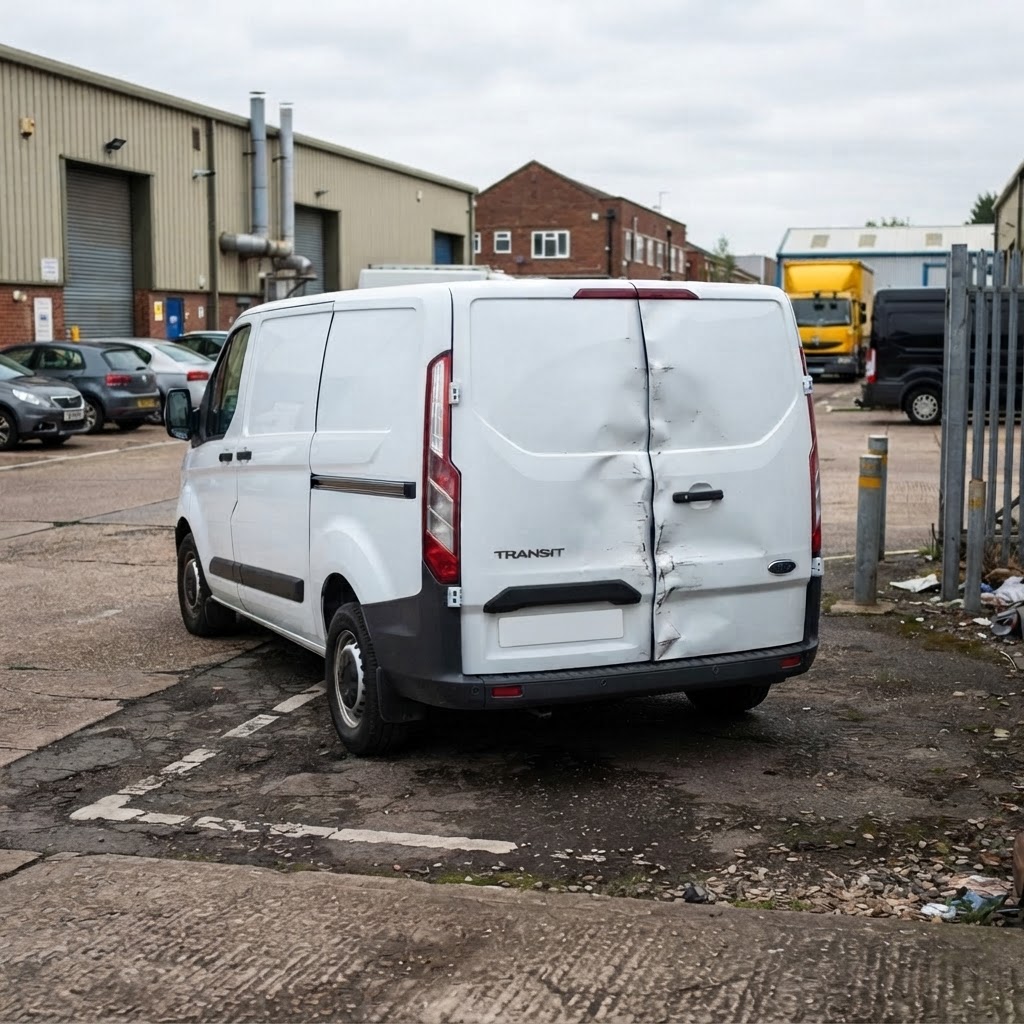
Buying Salvage Vans and Light Commercials: What's Different
Vans hold value differently, get repaired differently and attract different buyers. What to know before you bid on a commercial.
5 min read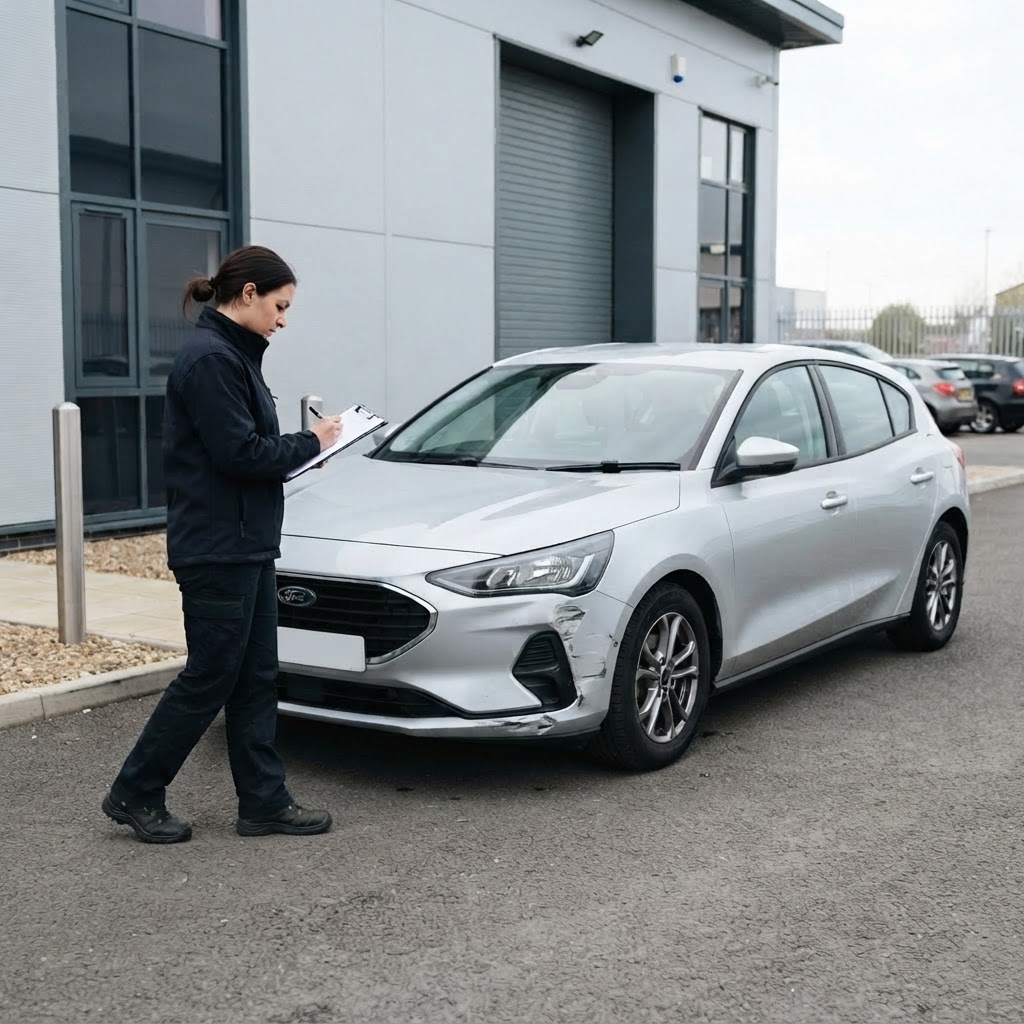
Pricing Repairs: The Rule That Tells You When a Salvage Car Is Worth Fixing
A simple, honest framework for working out repair budgets — and the 70 percent rule that stops you bidding on the wrong cars.
6 min read
Insuring a Cat S Vehicle: What Insurers Will and Won't Do
Some insurers say yes, some say no, and the quotes vary wildly. How to find cover for a repaired write-off without overpaying.
5 min read