Pricing Repairs: The Rule That Tells You When a Salvage Car Is Worth Fixing
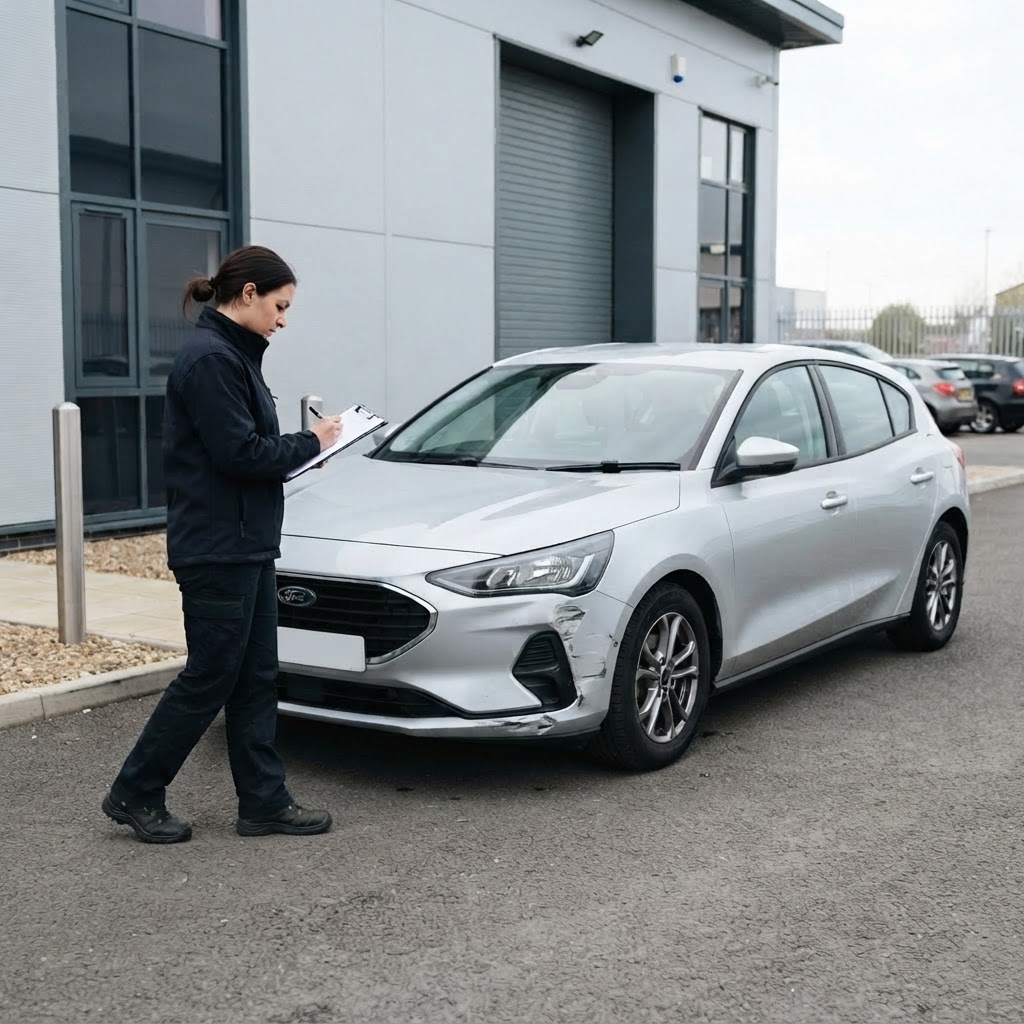
The single most common salvage mistake is underestimating repairs. Not because people are careless, but because quotes are systematically optimistic. Here is a framework that keeps you honest.
Build the repair estimate properly
Break the job down: parts (at the price you will actually pay, not trade fantasy), paint and consumables, labour hours at a realistic rate, diagnostics and alignment. Add 15-20 percent contingency, because you will find something. Total that up before you ever think about bidding.
The 70 percent rule
A repaired salvage car will always be worth slightly less than its undamaged twin. A useful rule: your total all-in cost (purchase + repairs + transport) should come in below about 70 percent of the repaired car's realistic sale or market value. That 30 percent gap is your buffer and your profit — below it, the deal is too thin.
Know your repair options
Trade rates change the math dramatically. A job costing £2,000 at retail might cost £900 at your workshop with your parts accounts. This is exactly why salvage works so well for traders: the discount on the car and the discount on the repair compound.
Walk away math
If you cannot make the 70 percent rule work with honest numbers, the answer is no bid. There is discipline in that, and it is what separates traders who last from traders who fold after one bad car. The next auction is always a few days away.
Related Articles
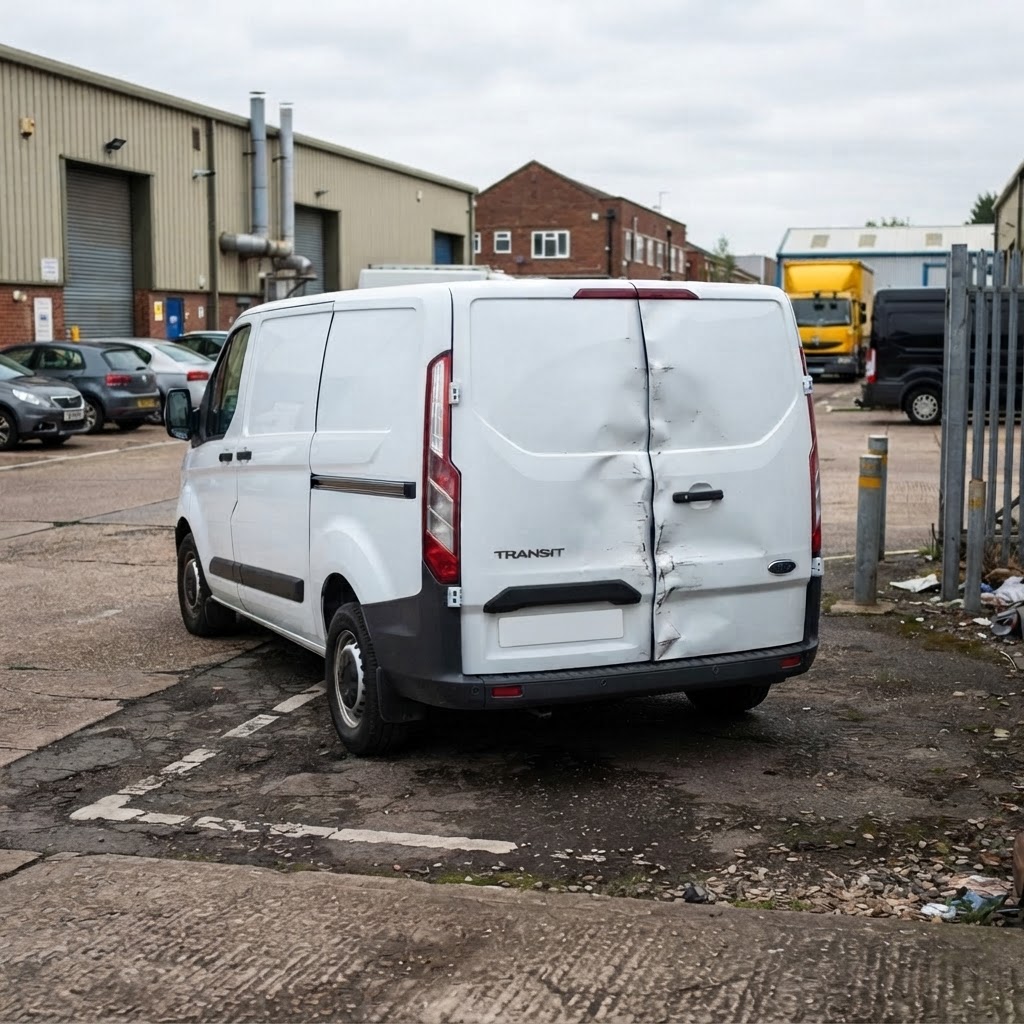
Buying Salvage Vans and Light Commercials: What's Different
Vans hold value differently, get repaired differently and attract different buyers. What to know before you bid on a commercial.
5 min read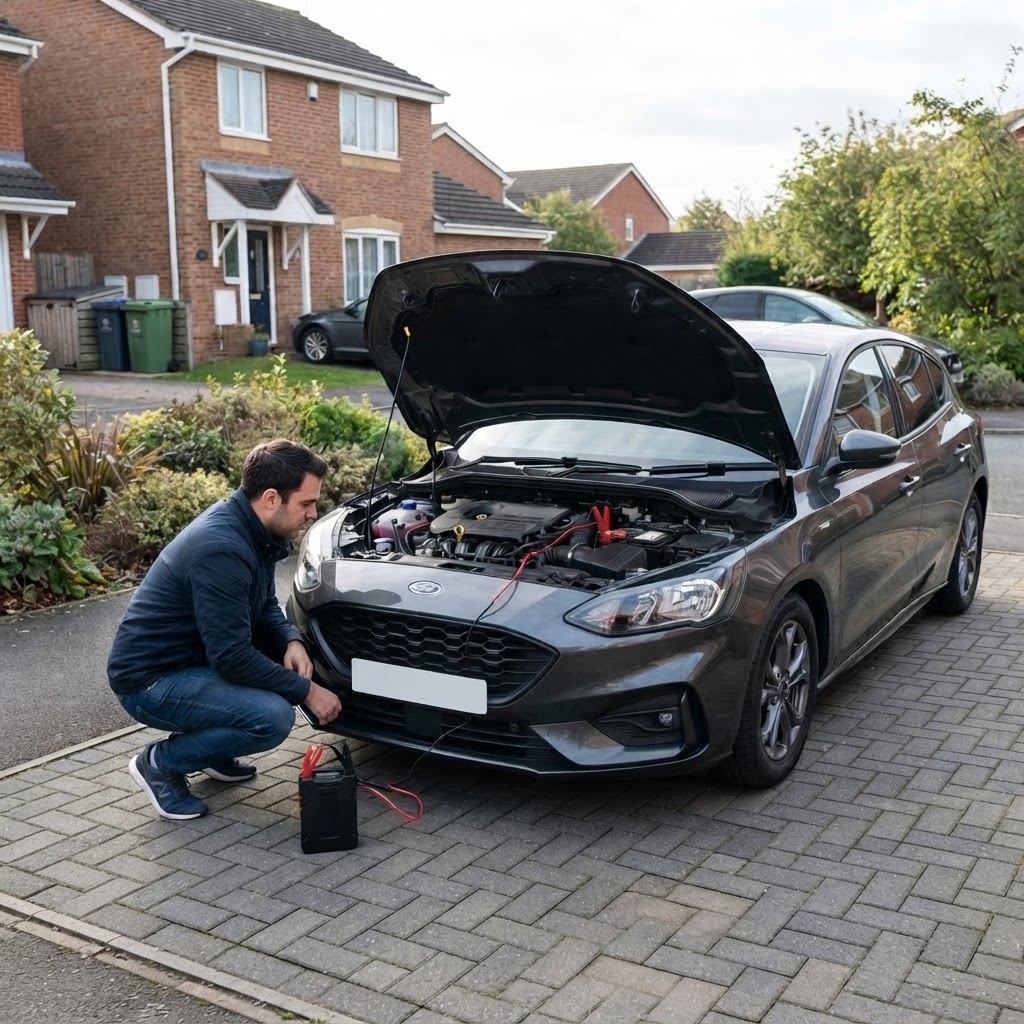
Why Most Non-Runner Cars Are Easier to Fix Than You Think
Flat batteries, starter motors and sensors are behind most non-runners — and they are among the cheapest fixes in the trade.
6 min read
Insuring a Cat S Vehicle: What Insurers Will and Won't Do
Some insurers say yes, some say no, and the quotes vary wildly. How to find cover for a repaired write-off without overpaying.
5 min read